The World's Standard for Time-Location Planning

TILOS is purpose-built planning software for linear infrastructure projects.

It combines time and location in one visual planning environment, helping project teams understand construction sequences, identify conflicts, evaluate alternatives, monitor progress, and communicate complex plans clearly.

Produced by Human Dialog since 1997, TILOS has evolved through nearly three decades of engineering, practical project experience, and collaboration with planners around the world.
Official product information

Looking for current TILOS product information?

For official information about the current TILOS software, product specifications, licensing, demonstrations, downloads, and Trimble support, visit the official TILOS product page at Trimble.

Planning infrastructure in time and location

Linear projects cannot be fully understood through time alone.

Infrastructure projects are specific. Work progresses through locations. Crews move along corridors. Resources, access, and construction sequences constantly interact across time and distance.

Project success therefore depends not only on when activities happen, but also where they happen, how crews move between locations, and how different work fronts interact across the project.

Traditional scheduling tools can represent project time and activity logic, but they often struggle to communicate the location-based relationships that define linear infrastructure delivery.

TILOS was created specifically to address this challenge.

By bringing time, location, construction logic, resources, and progress together in one visual planning environment, TILOS helps project teams understand how work will move through the project—not only when individual activities are planned to begin and end.

ObjectReef VM

Time and location in one visual model

Understand how the project progresses—not only when activities happen.

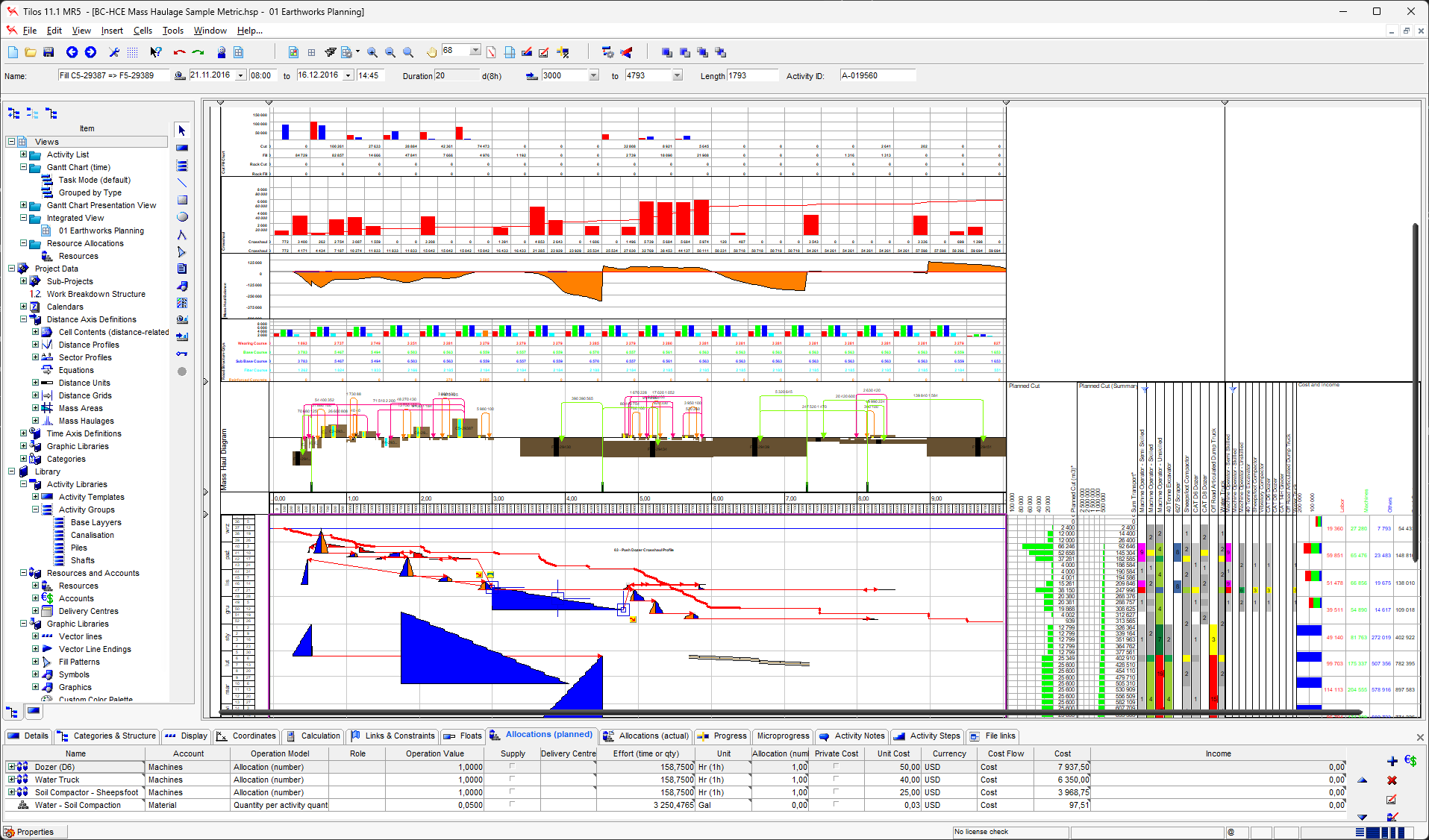
Time-location planning brings construction sequence, location, movement, and project time together in a single visual model.

Instead of reviewing activities only as rows in a traditional schedule, planners can see how work progresses through project locations, how crews and work fronts interact, and where potential conflicts may occur.

This makes complex project logic easier to understand, evaluate, communicate, and control throughout the project lifecycle.

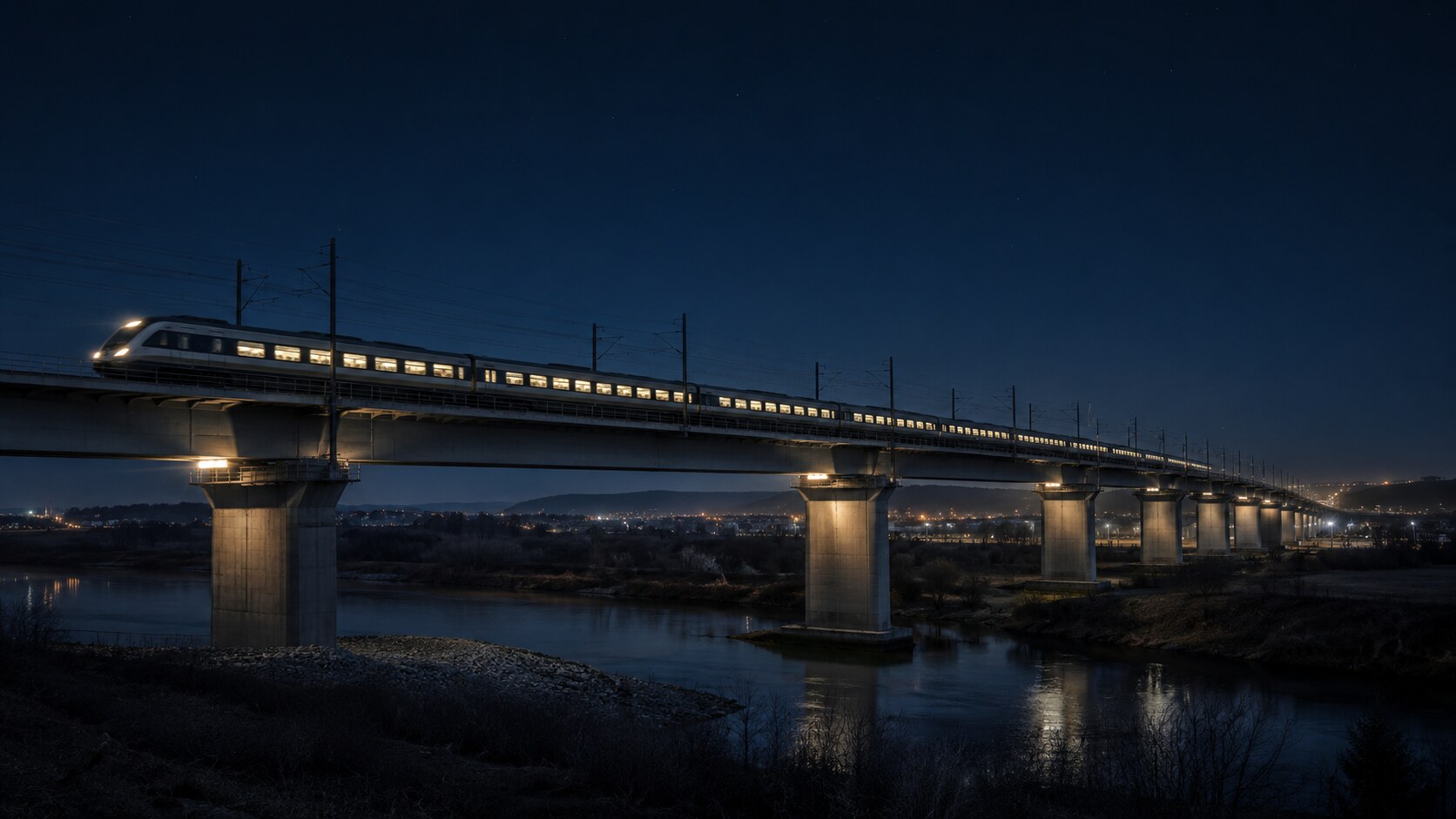
Time-location planning is particularly valuable where work moves continuously or repeatedly along a defined geographical route—including railways, highways, tunnels, pipelines, transmission lines, and utilities.

ObjectReef VM

A complete view of the project

One planning environment. Multiple ways to understand the project.

TILOS combines time-location diagrams with the scheduling information and visual context required to understand complex linear projects.

Planners can connect activities with project locations, construction sequences, resources, costs, progress information, maps, profiles, charts, and other relevant project information.

This creates a flexible planning environment in which detailed project data can be transformed into clear and understandable visual plans.

TILOS plans can support detailed planning work while also providing accessible project information for management, project teams, owners, contractors, and other stakeholders.

Practical clarity for complex linear projects

Planning capabilities built around real project needs.

Each planning area can grow into a dedicated knowledge page as the new TILOS website area develops.

01

See Time and Location Together

Understand when and where work happens in a single view, helping teams identify relationships that are often difficult to recognize in traditional schedules.

02

Manage Complexity with Confidence

Work with large projects, extensive datasets, and detailed construction logic while maintaining clarity, responsiveness, and control.

03

Identify Conflicts Early

Detect location clashes, crew interactions, and sequencing issues before they affect project delivery.

04

Explore Alternatives Faster

Compare scenarios and evaluate different planning strategies before committing to execution.

05

Communicate Plans Clearly

Present project information in a format that is intuitive for planners, project teams, management, and stakeholders.

06

Track Progress Visually

Monitor progress along the project and quickly identify deviations from the plan.

07

Integrate with Existing Planning Tools

Continue using Primavera P6, Microsoft Project, and other scheduling tools while adding the benefits of time-location planning to your projects.

TILOS

Supporting projects across linear infrastructure sectors

Time-location planning supports projects in which work, resources, and construction sequences move through defined geographical locations.

01

Railways

Plan work along complex railway corridors while coordinating access, possessions, crews, resources, and construction sequences.

02

Highways

Visualize how road construction progresses through locations and coordinate multiple work fronts across the project.

03

Tunnels

Plan location-based activities, repetitive construction processes, access constraints, and progress through underground infrastructure.

04

Pipelines

Coordinate construction activities, crews, equipment, and progress across long-distance pipeline projects.

05

Transmission Lines

Plan and communicate work progressing through geographically distributed locations along transmission corridors.

06

Utilities and Other Linear Infrastructure

Apply time-location planning to projects where construction activities, resources, and work fronts move through defined geographical locations.

ObjectReef VM

Connected planning

Add time-location planning without abandoning the tools you already use.

TILOS can work alongside established scheduling and project-planning tools, allowing organizations to preserve their existing planning processes while adding the visual and analytical benefits of time-location planning.

Project information can be exchanged with tools such as Oracle Primavera P6 and Microsoft Project, supporting workflows in which traditional scheduling and time-location planning complement one another.

This allows organizations to introduce TILOS where it creates the greatest value while continuing to use the systems, processes, and project information they already rely on.

Discover more about TILOS

A product shaped by engineering, technology, and continuous development.

Continue through the history, technology, and future development of TILOS.

History

The History of TILOS

Discover how TILOS began, evolved through more than 11 major generations, and has been continuously produced by Human Dialog's engineering team since 1997.

Technology

The Technology Behind TILOS

Explore ObjectReef—the technology developed and owned by Human Dialog that enabled the performance, scalability, data management, and visual planning capabilities of TILOS.

Future

The TILOS Development Roadmap

See how Human Dialog is developing new functionalities designed around continuity, collaboration, usability, and access to planning information.

Every improvement starts with a conversation

Help shape what comes next.

The TILOS Innovation Hub brings together users, expertise, ideas, and real-world planning experience. Ask questions, share challenges, suggest improvements, explore knowledge, and contribute to the future development of TILOS.

Human Dialog—the producer of TILOS—invites you to join the conversation.